The 25-square-foot line
Under Texas law, a license is generally not required for mold remediation of an area under 25 contiguous square feet. Once mold affects 25 contiguous square feet or more, licensed work and notifications come into play [1][2]. "Contiguous" means connected, so several small patches apart from each other may count differently from one large patch.
TDLR also makes it clear that this exemption is for people who are not licensed. A licensed mold remediation contractor doing a small job is still bound by the law and rules [1]. A homeowner can take samples or clean mold in their own home without a license [1].
Who can do what
Summary of TDLR guidance [1][2]. Read the current rules, as details can change.
| Situation | Rule of thumb |
|---|---|
| You clean your own home | Allowed without a license |
| Unlicensed person, under 25 contiguous sq ft | Generally exempt |
| Any company, 25 contiguous sq ft or more | Must be licensed |
| Licensed company, small job | Still subject to the rules |
| Remediation at 25 sq ft or more | TDLR notice required, at least five days before start |
Assessment and remediation are separate
Texas separates assessment, which is working out what is there and writing a protocol, from remediation, which is removing it. As a rule, the same company should not do both on one project, and that protects you from a conflict of interest. Ask about this if one firm offers to do the whole thing. For larger projects, you should also ask about clearance testing and the certificate of mold damage remediation that may follow.
What to do when you find mold after a leak
- 1
Fix the moisture
The EPA is clear: find and stop the water source first [3].
- 2
Keep it undisturbed
Do not scrape, sand or run fans across growth.
- 3
Measure it
Estimate the connected area, including hidden sides if you can.
- 4
Decide who does it
Small hard-surface areas can be cleaned with care. Larger or hidden growth needs a professional.
- 5
Record it
Take photos with something to show the scale, and tell your insurer.
Cleaning a small patch safely
For small growth on hard surfaces, the EPA suggests scrubbing with detergent and water, then drying thoroughly [3]. Wear gloves, eye protection and an N-95 respirator, keep the room ventilated, and do not mix cleaning products. Porous materials like drywall and ceiling tiles may need removal if they are moldy. Painting over mold does not solve it.
Stop if you find more than you expected behind a wall, if anyone at home has asthma or a weakened immune system, or if the mold came from sewage or floodwater.
Questions for a mold company
- What is your TDLR license number?
- Who wrote the protocol, and are they independent?
- Will a TDLR notification be filed?
- How will the area be contained?
- How will you show that the work succeeded?
- What happens if the moisture source returns?
Insurance and mold in Texas
TDI says mold from a covered water loss can be covered, whereas mold from gradual leaks generally is not, and flood-related mold falls outside a home policy [4]. Many policies also have limits or specific language on mold, so read yours. Act promptly once you see it: delay can become its own issue.
For Richardson owners, the most common route to a mold problem is simple: a slow condensate overflow, a slab leak or an upstairs drip that nobody noticed. Fixing that first is what makes the rest of the work last. Keep indoor humidity under control afterward. Run bathroom fans, service the AC and check the areas where water was found, particularly in the first summer after a repair.
How to think about the 25-square-foot number
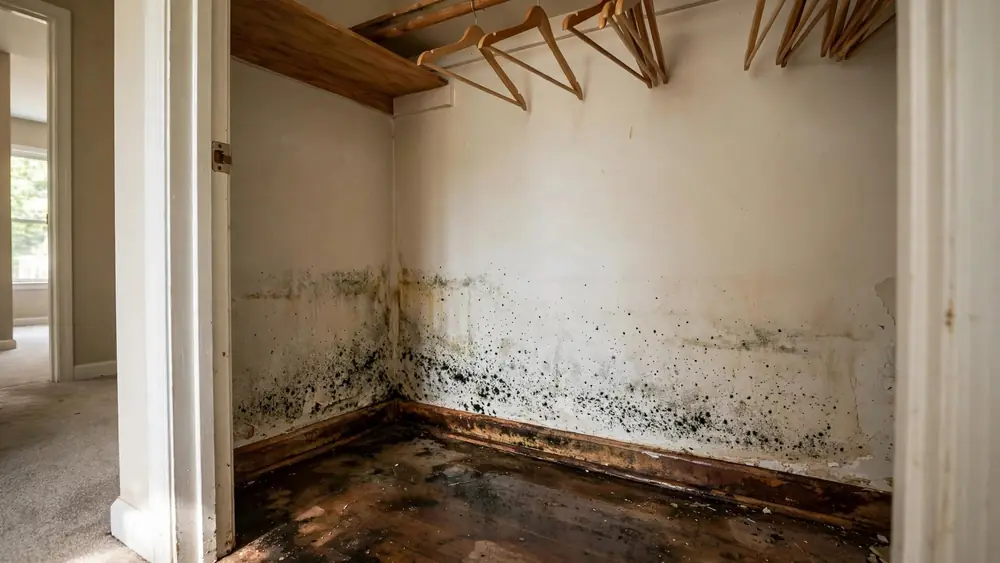
Twenty-five square feet is a five-by-five-foot area. That is about the size of a large closet wall, or a run of baseboard and lower wall along a bedroom. It is easy to underestimate. What you can see may be only part of what is there, especially on the back of drywall. So if a visible patch is close to the limit, it is sensible to assume it could be larger, and to have somebody look properly.
The word "contiguous" matters as well. Connected growth counts as one area. Separate patches in different rooms are a different question, though a contractor cannot simply divide up a project in order to avoid the rules. If you are not sure how the rules apply, TDLR's FAQ is the best place to look, and you can ask the license holder to explain their reasoning.
What a typical licensed project looks like
On a larger job, an independent mold assessment consultant inspects the property and writes a protocol. A separate licensed remediation contractor then follows it, notifying TDLR at least five days ahead when the size requires it. Crews set up containment, remove affected material and clean surfaces. The assessor returns to check the work, often called clearance. Paperwork at the end may then include a certificate that you can keep for future buyers.
This takes more planning than a simple drying job. That can feel frustrating when you want your home back, but it is the state's way of keeping incentives honest. Keep the wet area contained and dry while you wait. Ask how the timing will work, and who will coordinate the moving parts.
Common sources of mold in Richardson homes
Most mold problems here begin with a small, unnoticed moisture source: an AC drain, a shower pan, a slab leak or a window that has been letting in rain for years. Closets on outside walls can stay cool and damp. Furniture pushed against a cool wall in a humid room can hide growth. Older houses that have been made tighter with new windows but have no added ventilation can hold more moisture than they used to.
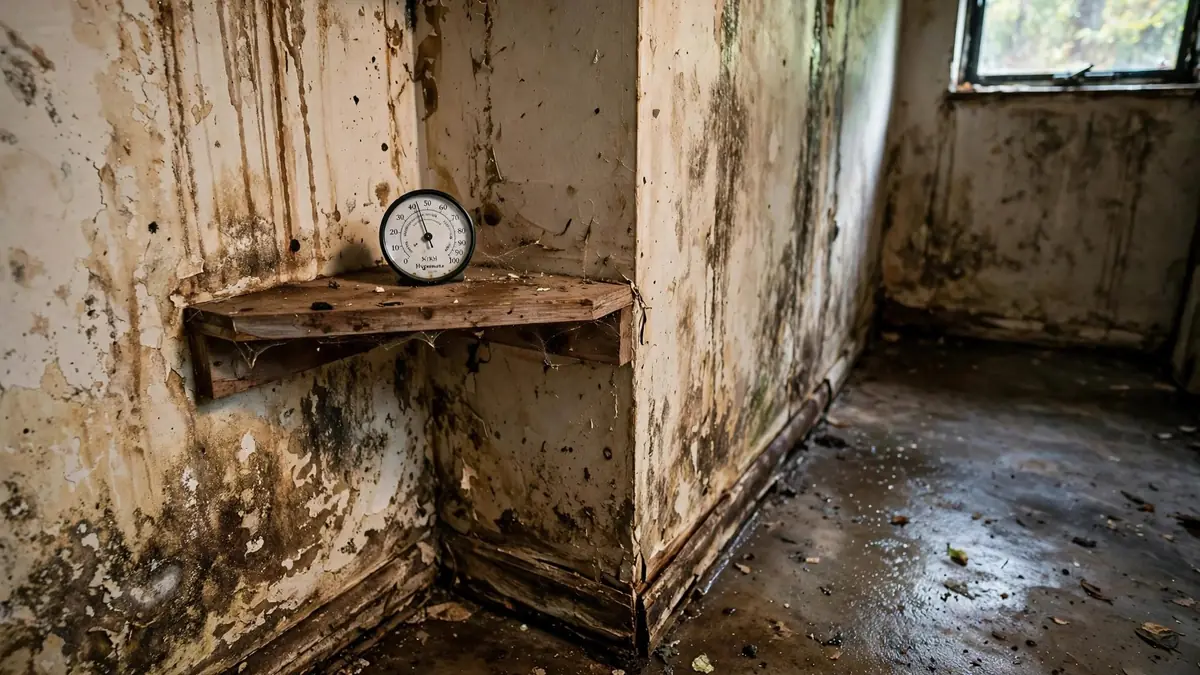
So look there first, and try to find the water rather than simply the stain. Keep humidity below 60 percent, ideally 30 to 50, using your AC and bathroom fans. If there is a repeated musty smell, take it seriously even if you can see nothing. Your nose often picks this up long before your eyes do.
Protecting your household
Mold can trigger allergy and asthma symptoms in some people. If someone in your home has breathing problems or a weakened immune system, speak to a doctor and keep them away from the work area. Do not dry-brush or sand moldy surfaces. Keep doors shut during cleaning, and do not run the central air system through a contaminated space. If you feel unwell, stop and get advice.
Mold rule questions
Answered 24/7 · No obligation
Mold after a leak?
Call to talk through the moisture problem behind it.
Sources
Last reviewed · How we write these pages